
There’s something magical about leaving the golden lights of Amritsar behind and watching the air change as you ascend into Himachal’s hills. As you drive, expect lush forests, winding roads, and cooler breezes greeting you. En route to Dalhousie, the journey itself teases you with hidden gems: dhabas serving piping hot parathas near Pathankot, views of the Satluj tributaries cutting through valleys, and stops where you feel like you’re leaving the plains behind. By the time you reach Dalhousie, you’ll be craving that starry silence, colonial-era charm, and pine-laced hills.
The Drive & What to Expect

From Amritsar, you’ll head toward Pathankot via NH54 (or similar national highways). The plains gradually blend into foothills. Big trees, farmland, and smaller towns give way to pine forests and sharper climbs. The road is mostly good; expect occasional rough patches especially after rain. Ccarry snacks and drinks with you, as most food stops would be desi (local Indian) and not fancy. Be careful, as en route you might find school students climbing uphill as I did.
Stopovers/en route highlights:
- Pathankot: great places for food, dhabas with local Punjabi fare.
- Scenic valleys and river views near the Himachal border.
- Views of tea gardens or tall coniferous woods as elevation increases.
By the time you drive into Dalhousie, the air feels lighter, the pace slower, and every bend brings a new vista.

Before you read further, here’s what you need to know
Amritsar to Dalhousie distance: ~197–200 km
Amritsar to Dalhousie travel time by car: Approximately 4-5 hours (without heavy traffic or long breaks).
Best time of the day to start the drive: Early morning, like 7ish, is best to avoid traffic, reach in time for breakfast at Pathankot cafeteria stops or small dhabas along the route, and even reach Dalhousie in time to start the tour the same day. It allows you to enjoy the cool air and mist over the farms. Evening arrival in Dalhousie is lovely if you want to soak in sunset views.
Best months to visit Dalhousie: March to June (spring to early summer) and September to early November (post-monsoon) are ideal. Winters offer snow and cosy vibes, but roads might get tricky. Avoid peak monsoon months if possible due to landslides or slippery patches.
Accommodations or hotels: From hilltop cottages and heritage hotels with timbered architecture to budget guesthouses near the market, you can rest your feet at any of the many charming stays available in Dalhousie. Staying slightly above the town center gives cooler air and quieter nights.
I stayed at Hotel Mount View, mentioned below. Among its many charms, the place offered beautiful surroundings, spotless and comfortable rooms, breathtaking views from both the terrace and the rooms, an inviting open-air social terrace, and a restaurant serving delicious food accompanied by live traditional music in the local dialect.
Hotel Mount View

Here’s a list of other stay options that I recommend for different pockets:
Heritage & Charming Options:
- Grand View Hotel – stunning views, traditional architecture.
- Snow Valley Resorts – comfort with hillside ambience.
Budget & Mid-Range Stays
- Guesthouses near Gandhi Chowk.
- Homestays around Bakrota Hills for a peaceful retreat with stunning views.
Attractions and activities
Khajjiar – Mini Switzerland of India

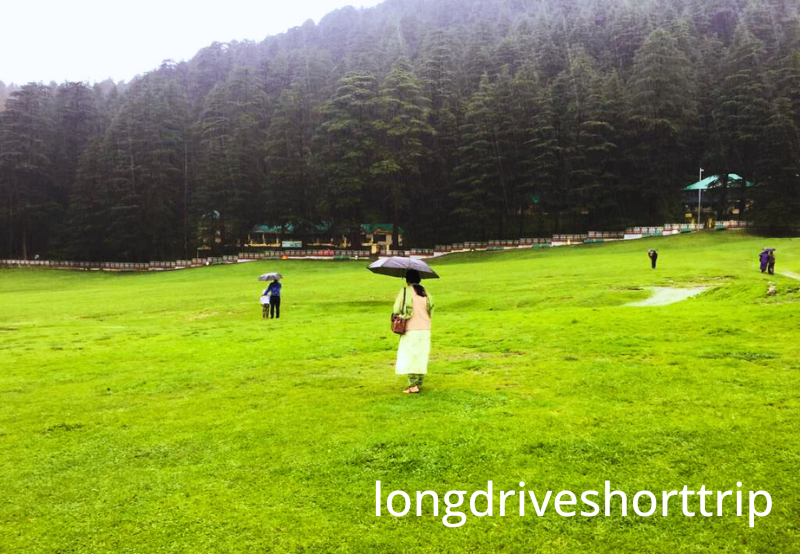
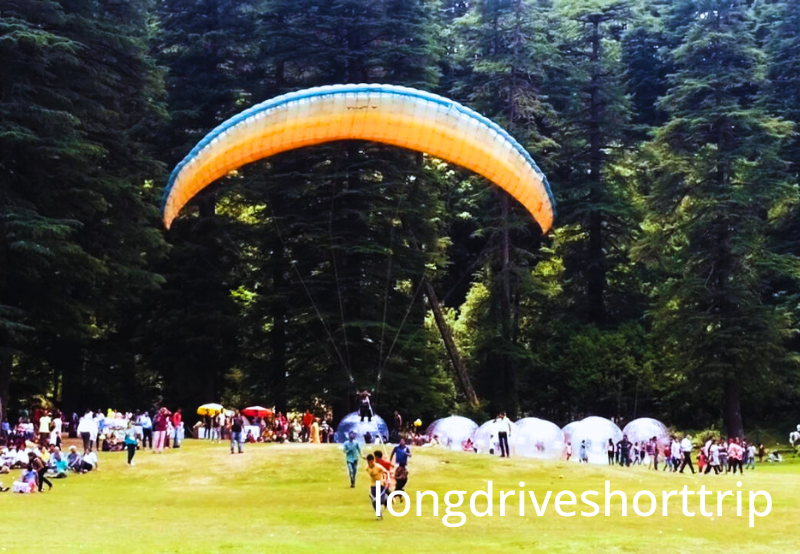
A sprawling meadow ringed by deodar trees, with a small lake and horse rides. Locals call it “Mini-Switzerland” because of its terrain and views. The place also hosts paragliding, on days when the weather supports it. Check the Trivia below where I have mentioned the link for information on tandem paragliding in Khajjiar. Make a call before planning a visit to know which activities to expect there. Anyways, the fresh air, mist, and hills make Khajjiar perfect for a day trip.
Trivia: Paragliding and other activities like horse riding depend heavily on the weather as it can rain anytime. Best is to gather the latest information from the experts there, here’s one suggestion-ecotravellers. Cost will range between Rs. 1500 to Rs 4000.
Tip: To make it an activity filled day, make this the first place to visit when you start your day and then head off to other attractions.
Dainkund Peak
Dainkund Peak is one of the highest vantage points in Dalhousie. The panoramic views of the surrounding hills and valleys from here are an absolute bliss. It is a short climb of 30-40 minutes. You can even plan it with kids above 5 years on their feet. Find Pohlani Mata (or Goddess Kali) Temple at the top for spiritual and positive vibes. The total trek including climbing up and down and the stay will take around 3 hours. The peak and surrounding mountains get covered in sparlking white snow during winters.
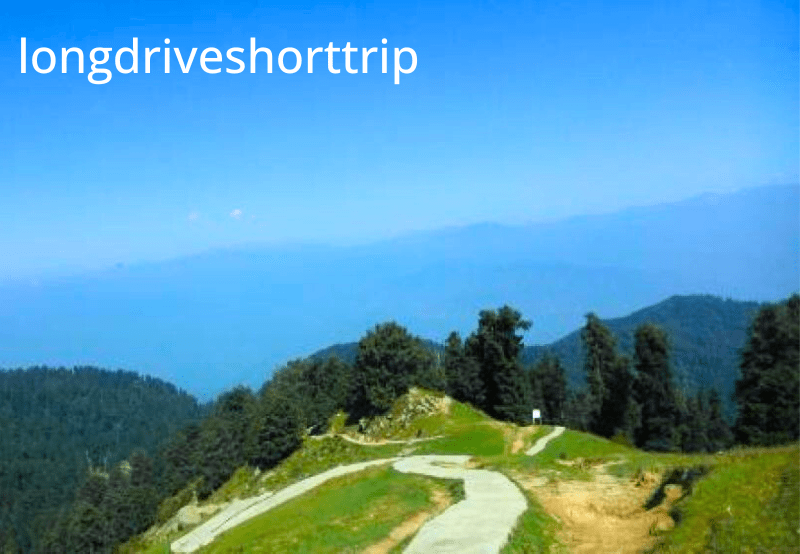
Trivia: On a clear day, you can see the icy summits of the Pir Panjal Range, the green Kangra Valley, and the flowing rivers Ravi and Chenab in the distance. There’s a teahouse nearby the Pohlani Mata Temple to explore.
Tip: For dramatic sky colors and folding clouds breezing across the sky, people prefer sunrise or sunset time to visit. I would suggest afternoon before sunset, to avoid blocking misty views and enjoy till sunset.
Panchpula Waterfall — Nature’s Calm Near Dalhousie
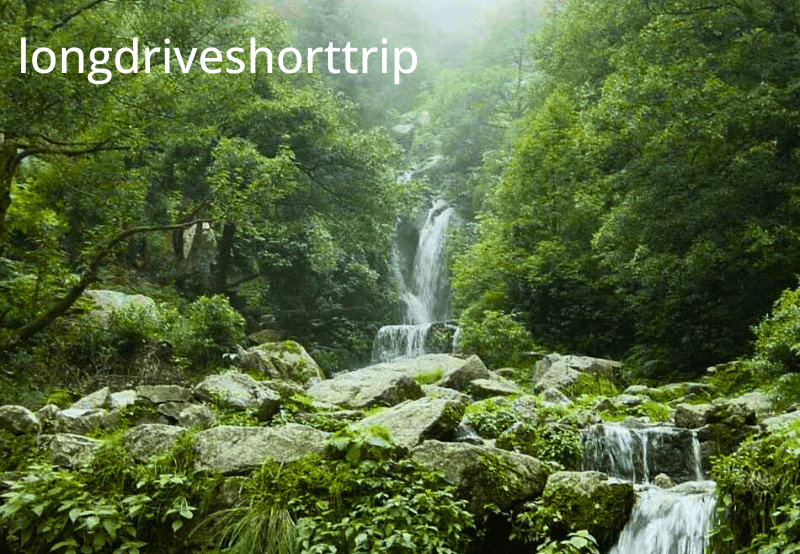
Panchpula (sometimes called “Panch Pulla”) is one of the most picturesque spots just a few kilometres from Dalhousie. The word itself means “five bridges,” named for the five small wooden/rope/bamboo crossings over cascading streams. The main stream here supplies water to Dalhousie and nearby areas, and the sight of water gushing through deodar and pine forests makes Panchpula a perfect mix of nature, sound, and serenity.
The waterfall is near enough to town (around 3-4 km) that you can reach it by car or take a gentle walk from Gandhi Chowk. The trail has steps, small bridges, forest pathways, and is very doable unless carrying very young children or mobility is limited.

Eateries & Food Vibe Around Panchpula
While Panchpula is mostly about nature and peace, little cafe’s and tea huts alongside refresh your mood. Do not expect a lot of options, but hot sips and steaming maggie noodles are almost always at your service, by the cold flowing waters. Some things you can expect:
- Tea or Himachali “chai with snacks” stalls along the path.
- Local vendors selling Maggi, momos, sandwiches, hot corn, even simple burgers. Great for a quick bite while you enjoy the view.
- Small cafés with seating areas by the streams or overlooking the forest. These are good for relaxing, perhaps dipping your feet in water if safe.
- Souvenir stalls too: shawls, wooden crafts, small gifts. These are on the path or near parking. (I bought the metal bike for my home.)
Zip-lining & Adventure Near Panchpula
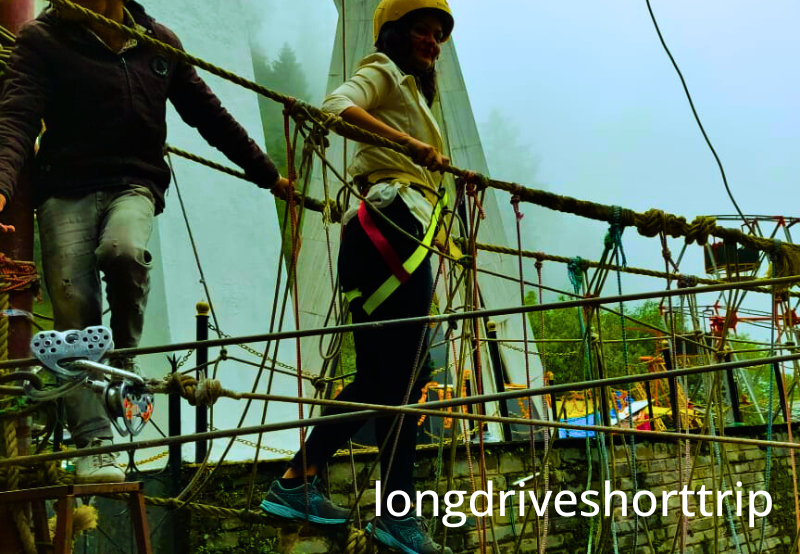
As we stepped out of the waterfall, and walked down the road a bit, there were few adventure sports for kids nearby, including zipline, car rides, bouncy and a small market area. They were short cable rides across small stretches with a modest price (Rs 300-Rs 500)
Beyond zipline, there are short trekking/nature walk trails around Panchpula (for example towards Ganji Pahari) that give you forest vistas, bridge crossings, and fresh air. If you stay nearby, some camps or resorts also offer adventure add-ons like rope climbing, Burma Bridges, etc.
Trivia: Adventure equipment (zipline, rope bridges etc.) is run by local vendors; safety standards vary. Best to check the harness/equipment before trying. Also, during monsoon, paths get slippery and some adventure setups may be closed or unsafe.
Tip: Waterfall is good to visit anytime. Carry your own snacks to rest there longer and enjoy a picnic on the vacation.
Tibetan Rock Paintings & Local Markets
On the way or around Dalhousie, you’ll find small Tibetan art, handicrafts, and painted rocks depicting Buddhist deities. Also, the local crafts markets are full of shawls, woolens, smooth wooden items, and Himachali souvenirs. Buy local food items like Himachali pickles, cold drinks, or herbal teas from market stalls.
Trivia: I bought these unique beautiful natural wood roses (as told by the local vendor) which grow on tree trunks and never dry. They color and sparkle the roses to add attraction and place them on wooden sticks over a wooden stand. They close when you dip them in water( to wash off the dust) and then open up again as they dry. I never found them anywhere else, so you might want to ask if you don’t see them on display.
Tip: St. John’s Church & St. Francis Church are very close to the market. When you are done with the marketing walk down for an evening walk to the Colonial era churches with peaceful surroundings, stained glass windows, and quiet time for reflection.
Kalatop Wildlife Sanctuary
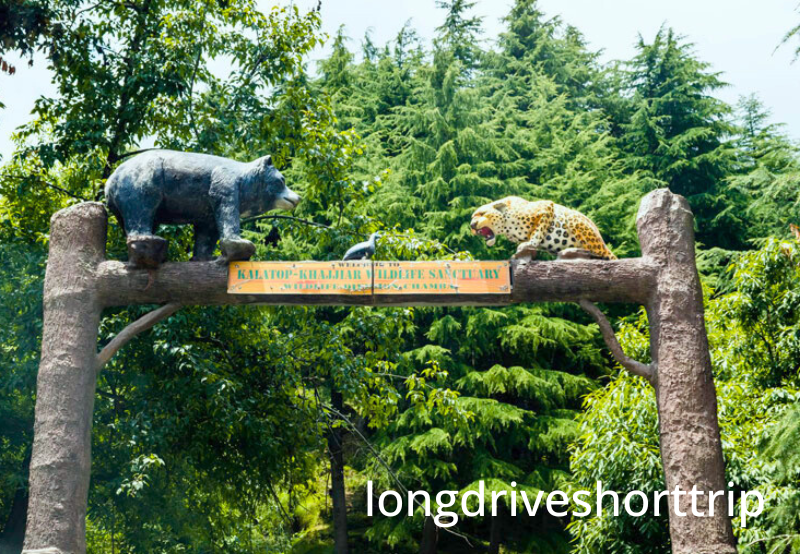
If you love nature and forests, this sanctuary is perfect. Lush pine and oak trees, small creeks, birdlife, and a walk through forest trails calm the mind. There is a magnificent Forest Rest House amidst the notable grasslands, meadows and ferns in the sanctuary.
Trivia: If you like wildlife photography, there are some exquisite, eye-catching birds like the Himalayan Monal
Tip: Wildlife is more visible in the mornings; some animals hide during the hotter parts of the day. Carry insect repellent; evenings can get chilly.
More Tips before winding up
- Carry warm clothes even if you travel in summer—nights get chilly.
- Monsoon brings beauty but also risk—check local weather, avoid driving in heavy rain.
- Book stays in heritage cottages early, especially in peak tourist months (April-May, October).
- If you aren’t used to hill roads, drive slow and steady; many curves and occasional narrow stretches.
- Carry cash—smaller shops and tea stalls don’t always take digital payments.

 Long Drive Short Trip